
Medical services

Pulmonology and sleep medicine in Arad and Chișineu Criș.

Each service is explained clearly: what it means, when it helps, and what happens during the visit or test.

Pulmonology consultation
Spirometry
Spirometry
FeNO test
FeNO test
General ultrasound
General ultrasound
Vital signs monitoring
Pulmonology consultation

Pulmonology consultation

Assessment of respiratory symptoms, medical history, and the right diagnostic next steps.

What it is

A pulmonology consultation checks lung health and explains the cause of respiratory symptoms in clear language.

When you need it
It is recommended for persistent cough, shortness of breath, wheezing, chest discomfort, recurrent respiratory infections, asthma, COPD, or suspected sleep apnea.
What happens
The doctor reviews symptoms, performs the clinical examination, and recommends appropriate tests. Completed investigations are interpreted by the pulmonologist, who correlates the findings, establishes the diagnosis, and explains the next steps.
Spirometry

Spirometry

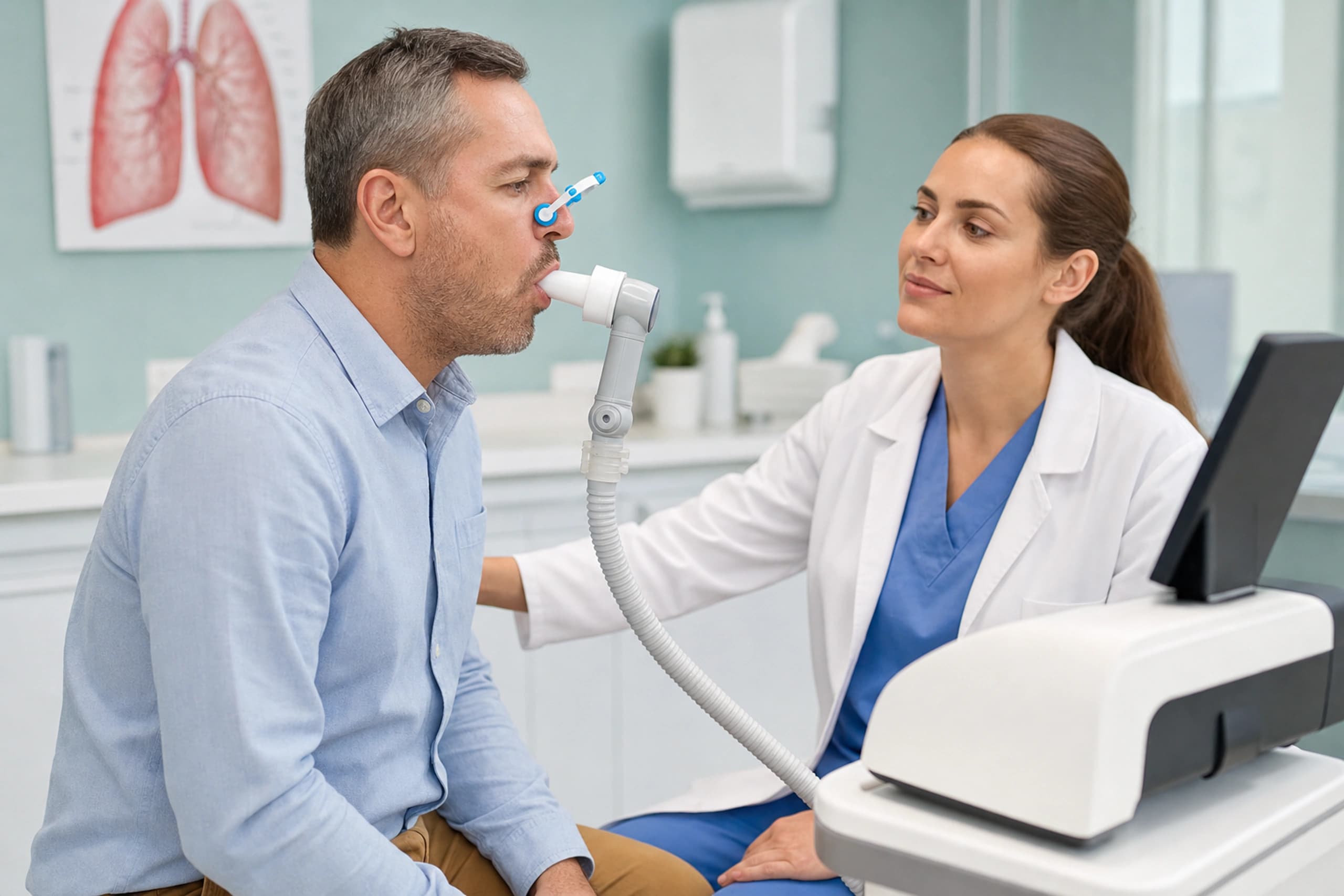
A simple breathing test that measures lung volumes and how quickly air is exhaled.

What it is

Spirometry is a simple test that measures how much air moves in and out of the lungs, as well as the speed of breathing.

What does spirometry measure?
  • Air volume: How much air you can breathe in and how much you can breathe out.
  • Airflow speed: How quickly you can breathe air out of your lungs.
  • Main parameters: Forced vital capacity and forced expiratory volume in one second.
When you need it
It is useful in bronchial asthma, respiratory allergies, chronic cough, emphysema, bronchiectasis, occupational lung disease, and some heart conditions. It is also important for smokers and asthma monitoring.
What happens
You breathe into a device following medical instructions. The test is non-invasive, quick, and can be repeated for comparison.
FeNO test

FeNO test

Measurement of exhaled nitric oxide through a quick, non-invasive test that is easy to perform.

What it is

The FeNO test measures fractional exhaled nitric oxide, a marker that can provide information about type 2 inflammation in the airways.

When you need it
It may be recommended to support asthma diagnosis, monitor airway inflammation, and assess treatment response. The result helps the clinician personalise management and may contribute to reducing the risk of exacerbations.
What happens
You breathe out steadily into a device following the staff's instructions. The measurement is quick, non-invasive, and easy to perform, and the result is interpreted alongside symptoms, treatment, and other investigations.
General ultrasound

General ultrasound

Non-invasive imaging for abdominal, thyroid, or soft-tissue evaluation.

What it is

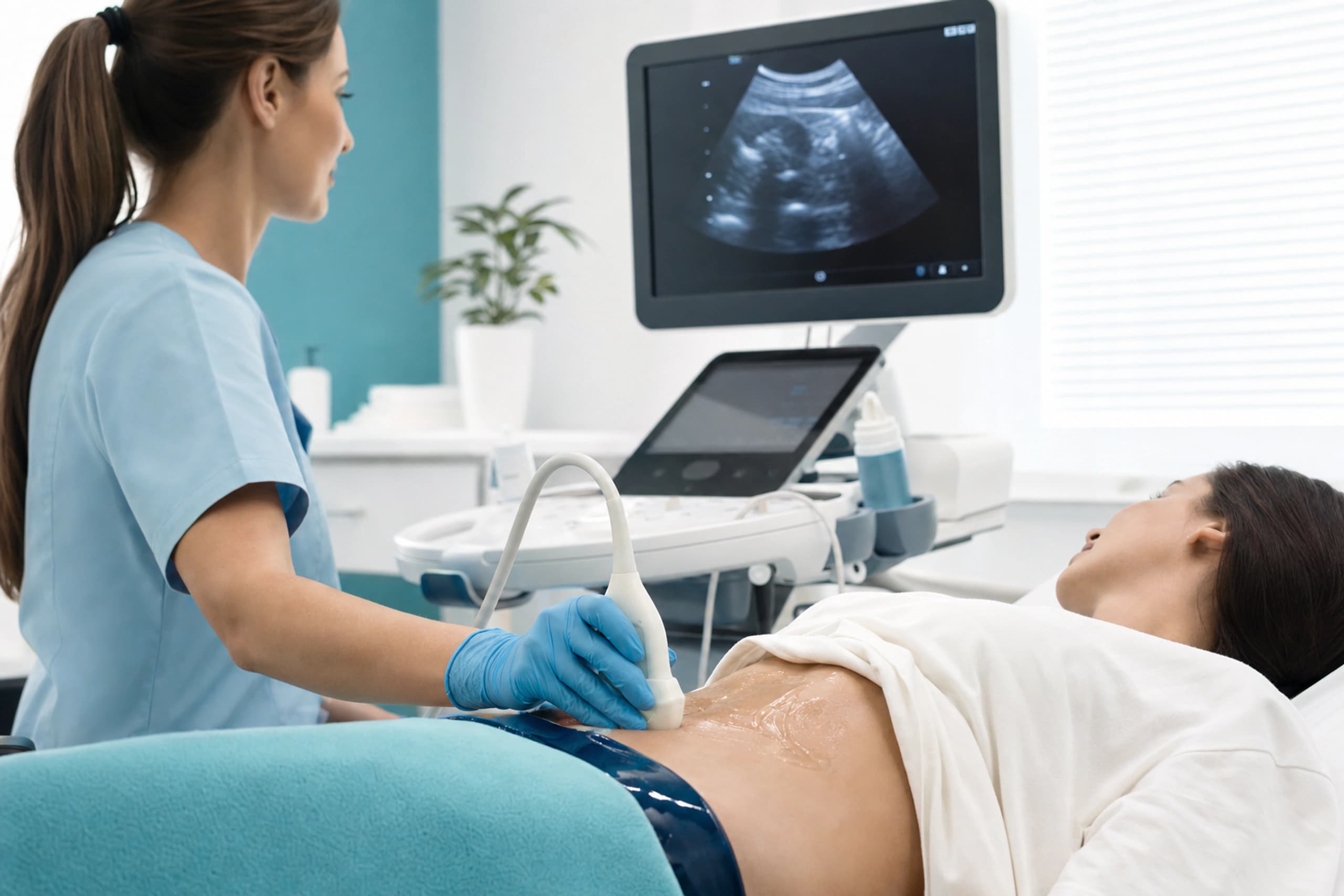
Ultrasound uses sound waves to examine organs and tissues without radiation.

When you need it
It may be recommended for abdominal pain, monitoring, thyroid evaluation, lymph nodes, superficial masses, or other clinical questions.
What happens
Gel is applied to the skin and the ultrasound probe examines the area. The result is discussed in clinical context.
Vital signs monitoring

Vital signs monitoring

Pulse oximetry, electrocardiography, and blood glucose monitoring for patients with diabetes or under observation for diabetes.

What it is

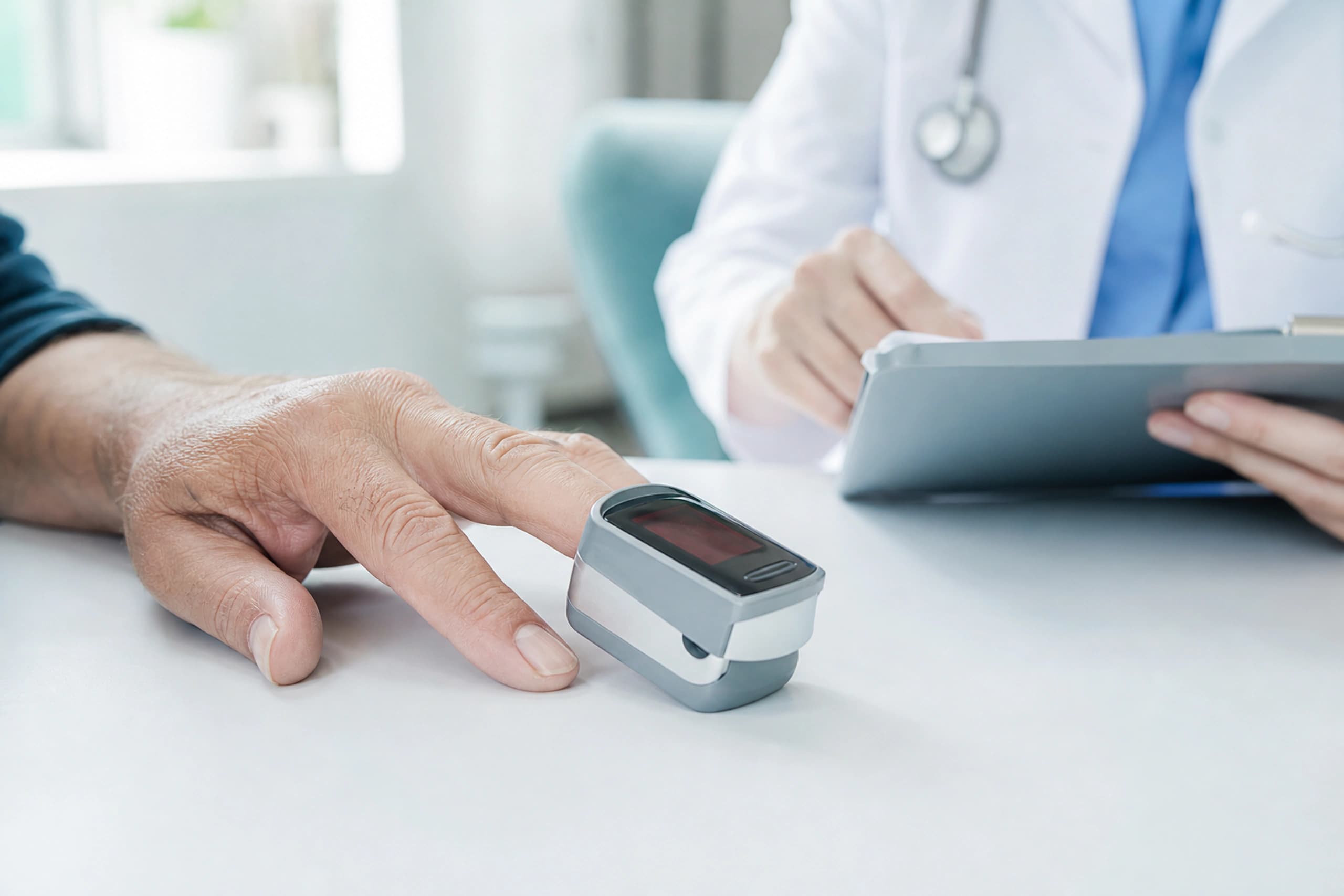
Pulse oximetry provides a non-invasive estimate of oxygen saturation and pulse. Vital signs, including blood pressure, are monitored at every consultation. Electrocardiography may be performed, and blood glucose is monitored for patients with diabetes or under observation for diabetes.

When you need it
It is useful in respiratory illness, post-infection monitoring, shortness of breath, sleep apnea, or before further testing.
What happens
A sensor is placed on the finger to measure oxygen saturation and pulse. The readings and other monitored parameters are interpreted together with symptoms and the clinical examination.
Sleep apnea

Sleep apnea

Assessment of loud snoring, breathing pauses, and excessive daytime sleepiness.

What it is

Sleep apnea is a disorder in which breathing repeatedly stops and restarts during sleep, affecting oxygen levels and the quality of rest.

When you need it
Assessment is recommended if you snore, have breathing pauses during sleep, wake up choking, experience morning headaches, have difficulty concentrating, feel tired during the day, or fall asleep quickly during monotonous activities, including while driving.
What happens
The doctor reviews nighttime and daytime symptoms, risk factors, and sleep-study findings, then establishes the diagnosis and appropriate treatment and monitoring options.
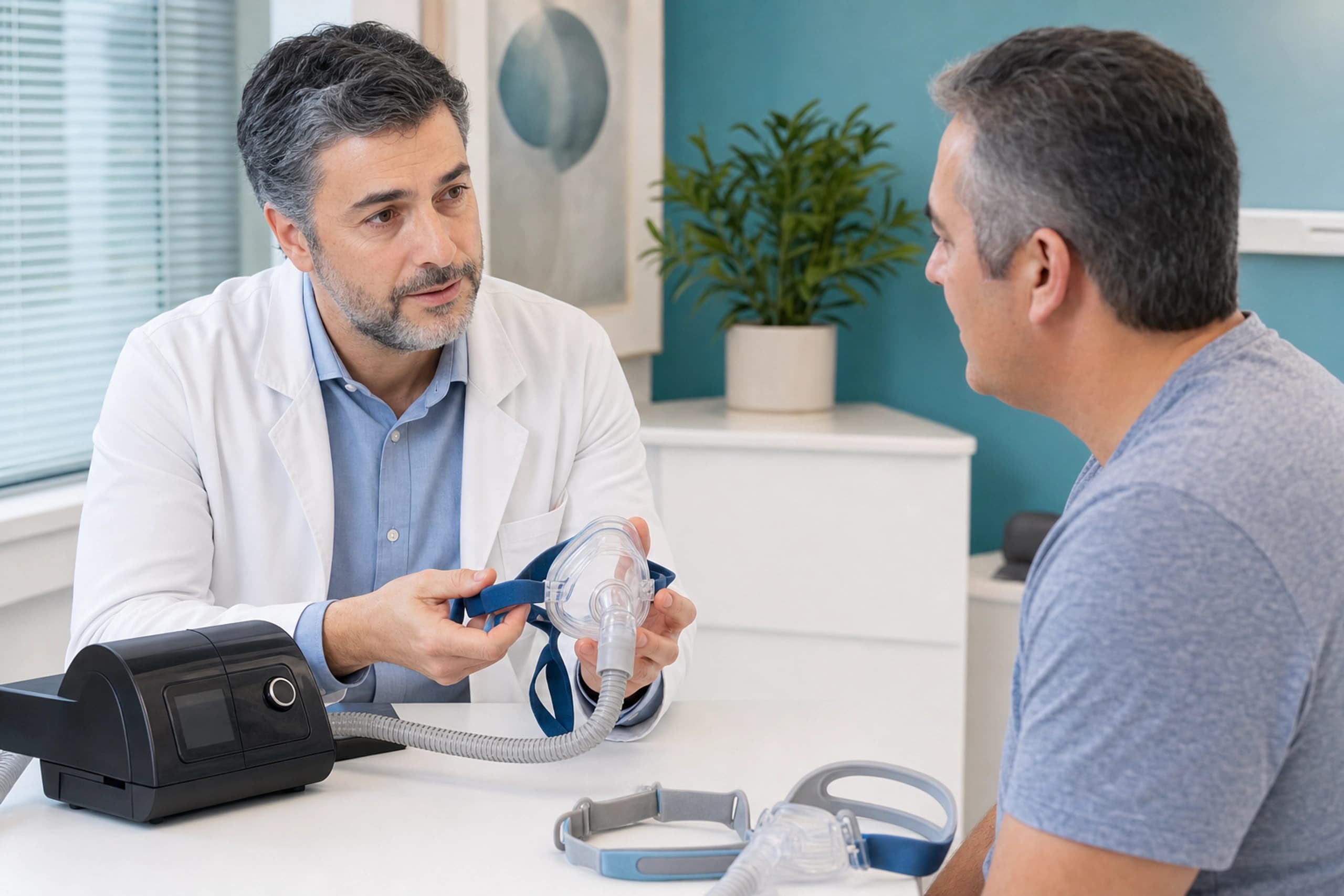
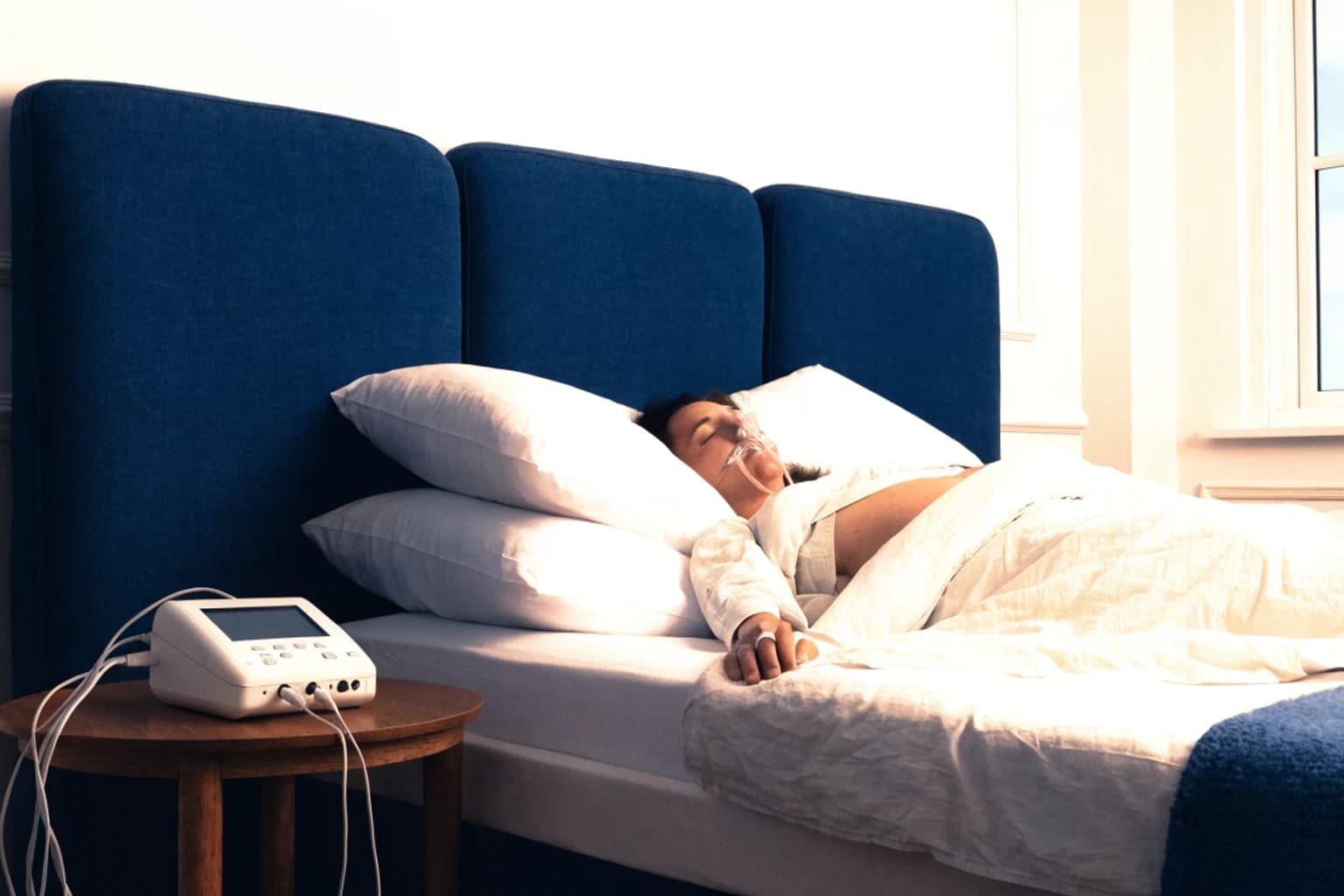
Overnight sleep study and CPAP titration

Overnight sleep study and CPAP titration

Overnight breathing monitoring and selection of the appropriate CPAP pressure.

What it is

An overnight sleep study records sleep and breathing parameters, while CPAP titration helps identify the pressure that keeps breathing stable throughout the night.

When you need it
It is recommended when investigating sleep-related breathing disorders, after a sleep apnea diagnosis, or when current CPAP therapy is uncomfortable or not effective enough.
What happens
Overnight recordings, symptoms, device data, and patient tolerance are interpreted by the doctor, who then establishes the settings and follow-up steps.
Medical documents

Medical documents

Medical reports, documentation, and guidance for reimbursement files and insured investigations.

What it is

The service includes medical reports for disability or retirement commissions and for obtaining portable or stationary oxygen-therapy equipment.

When you need it
It may include preparing the reimbursement file for Auto-CPAP devices and, when medically indicated, insured referrals for chest X-ray or MRI.
What happens
The doctor reviews the clinical situation and existing records, identifies any necessary investigations, and prepares the appropriate medical documentation according to applicable requirements.